
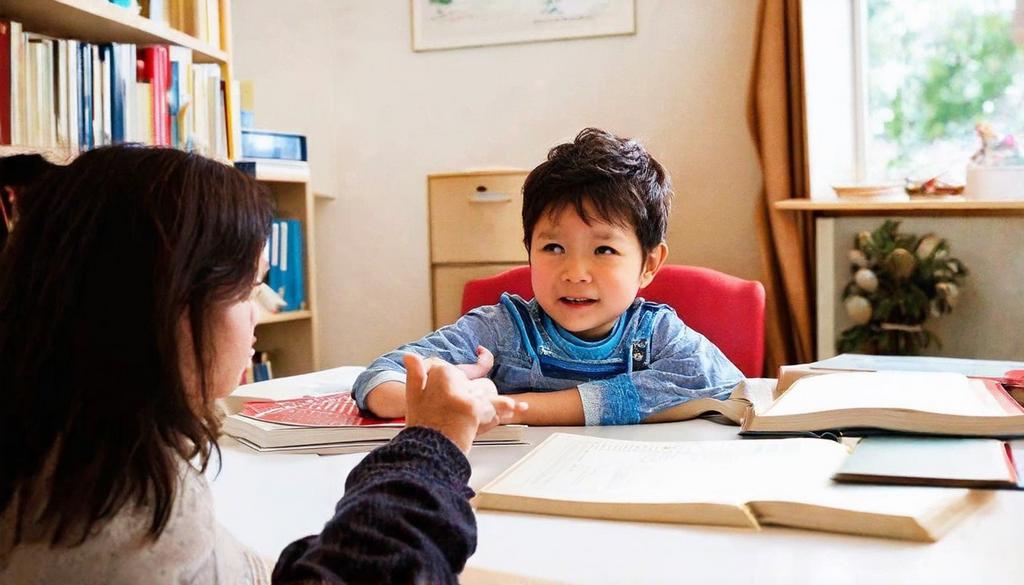
In 2019, a journalist spent a year investigating why so many capable children stall a step short of real reading. What she found was not a mystery about the kids. It was a method. Millions had been taught to guess words from pictures and context. That habit looks like reading right up until the guessing runs out.
Has your child hovered near grade level for years, close but never quite over the line? That history matters. The almost there child is often doing everything the method taught, and the method left a gap. Your child is not stalling from a lack of ability. They are stalling because a foundation underneath was never fully set.
A plateau is not a ceiling. In reading, it is usually the signature of one underbuilt skill carrying too much weight while the others wait. Name that skill, build it, and the flat line starts to climb again.
TL;DR
- A child who hovers almost there for years is usually missing one underbuilt foundational skill, not overall ability. Progress plateaus right below fluency until that skill is built.
- Plateaus often trace back to methods that teach guessing from context, which looks like reading until the strategy runs out on harder text.
- A plateau is not a ceiling. Targeted practice on the specific missing skill, most often sound to letter mapping, restarts the climb.
A plateau is not a ceiling. It is the signature of one underbuilt skill carrying too much weight.
“– Laura Lurns
Almost There Is a Clue, Not a Limit
The almost there child is one of the most misread patterns in learning. They read, sort of. They pass, barely. Every report card says the same gentle thing: making progress, needs to keep working. So everyone keeps doing more of the same, and the needle sits still for another year. Here is what a long plateau usually means. A child has built enough workarounds to look like a reader while a core skill underneath stayed thin. Fluent reading rests on phonological processing and automatic sound to letter mapping. That is the point where decoding stops taking effort and runs on its own. A child stuck at almost there is often decoding by hand, word by word, with no automatic layer to carry the load. That is fixable, once you aim at it.
The Method That Builds Almost There Readers
For decades, a popular approach taught children to figure out unknown words from pictures and the surrounding sentence. It produces confident looking early readers and a hard wall later, because guessing from context is what struggling readers do, not strong ones. Eye tracking research shows skilled readers process nearly every letter and lean more on sound and letter information as they improve, not less. A national investigation in 2019 pulled this into the open, and states are still rewriting reading laws because of it. Does your almost there child lean on the picture, skip the hard word, or read with the meaning roughly right but the words wrong? That is the fingerprint of a method, not a limit in your child. Swap guessing for direct sound to letter practice and the plateau starts to give.
The almost there kids are the ones who slip through, because they are never failing badly enough to trigger help. I look for the automatic layer, whether decoding has stopped costing effort. Almost always, that is the piece that never fully set. We build it with short daily practice, and the child who plateaued for three years starts moving inside a couple of months.
Key Takeaways
A years long plateau usually means one foundational skill stayed underbuilt while a child built workarounds to look like a reader.
Methods that teach guessing from pictures and context create readers who stall on harder text, where guessing runs out.
Plateaus are not ceilings. Direct, short practice on the missing skill, often automatic sound to letter mapping, restarts progress.
Your child was never failing badly enough to get help. That is exactly why the almost there child gets missed.
“– Laura Lurns
How to Break a Long Plateau
Change the target, not the volume. Years of more reading have not moved it, so the answer is not more reading. It is short, direct work on the automatic skill underneath. The 5-Minute Reading Fix is built for exactly this, a brief daily routine that trains sound to letter mapping until decoding runs on its own. Now the part that matters most. You have watched this child work for years without the breakthrough they earned. A system that keeps writing making progress while nothing changes is not telling you the truth about what is stuck. You are the one who has seen the whole plateau, which makes you the person best placed to end it. Struggles like this rarely stand alone. A child stuck at almost there often shows signs in working memory or processing speed too, the skills a whole child plan builds together. The Learning Success All Access program opens with a free assessment that names the stuck skill first, then hands you a daily plan. Start the free seven day trial and turn almost there into there.
Common questions from parents
Why has my child plateaued at the same reading level for years?
Is a plateau a sign my child has hit their limit?
Could this be dyslexia even though my child reads a little?
My child guesses words instead of sounding them out. Is that the problem?