The Meltdown Isn’t About the Worksheet
You know the moment. The pencil goes down, or across the room. The tears arrive over something that was fine yesterday. You know your child can do this page — you watched them do it last week — and now there’s a small person on the floor, a knot in your stomach, and forty minutes of your morning gone.
And underneath your own frustration, the question you don’t say out loud: is this normal, or is something wrong with my kid?
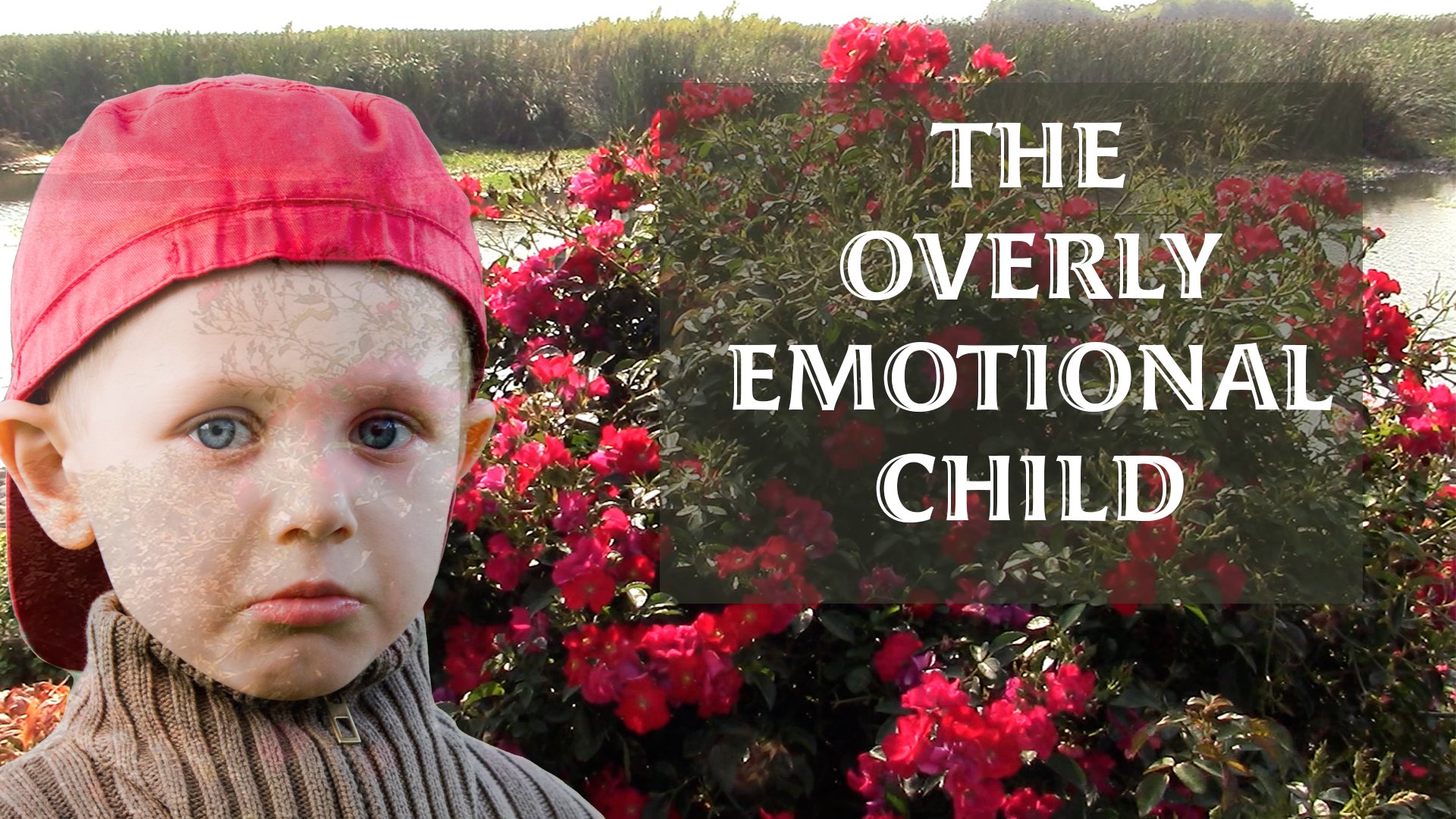
“The Overly Emotional Child” is a documentary and a free master class on what’s actually happening in those moments — and what to do differently. Ten lessons, a documentary, a study guide and worksheets. No cost, no catch.

TL;DR
- Big reactions over small tasks usually aren’t a behavior problem — they’re a brain that feels unsafe doing exactly what it’s built to do, aimed at the wrong target.
- This free course teaches you to read the behavior as information, calm the moment, and lead the room — four of the ten lessons are about you, because your calm is the lever you control.
- It’s one piece of a bigger system: All Access adds a personalized roadmap and every Learning Success program, for the skills underneath the emotions.
About that title
It’s the phrase parents type into a search box at eleven at night, so it’s the phrase on the tin. But it isn’t our view of your child, and the course spends its whole length arguing the opposite.
A child who melts down over a worksheet they did last week isn’t overly anything. A brain that feels unsafe has one job — stop what it’s doing and deal with the threat — which is exactly what it’s built to do, aimed at the wrong target. Enough hard afternoons at that table, enough red marks and sighs, and a child sits down already braced. Then we ask them to concentrate, which is a bit like asking someone to fall asleep on command in a room they believe is on fire.
Describing that as a behavior problem gets the sequence backwards. So does describing the child as difficult.
A child braced for failure isn’t available to learn — however good the curriculum.
“– Laura Lurns
It starts with you — and that’s the part that makes it work
This is the thing that surprises most parents about the course, and it’s the reason it’s worth your evening. Four of the ten lessons are about the adult in the room. Becoming self-aware. Emotional leadership. Self-care. Mindfulness. Not because you’re the problem — you are plainly not, or you wouldn’t be reading a page about your child’s feelings at whatever time it is. But your calm is contagious. That’s our position, and it’s what we see in the families we work with.
Every parenting resource tells you to stay calm. This one is about how.
What’s in the course
- Big Emotions — what a child’s emotions are actually doing, and why the size of the reaction isn’t the size of the problem
- Our Emotional Connection — how your state and your child’s state talk to each other, whether or not anyone says anything
- Becoming Self Aware — noticing your own reaction before it does the driving
- Emotional Leadership — leading the room without needing your child to lead first
- Self Care — the unglamorous, load-bearing one
- Mindfulness — practical, not mystical
- Calming Down — what actually helps in the moment, and what makes it worse
- Processing Emotions — helping a child move through a feeling instead of around it
- Emotional Dysregulation — what’s happening when a child can’t come back down, described without labeling the child
- Behavior — reading behavior as information rather than as defiance
Each lesson has its own quiz, and the course closes with a study guide, a worksheet, and a final quiz — twenty-five pieces in all. Nothing is drip-released; take it straight through or one evening at a time.
What it isn’t: therapy, counseling, or medical advice — and not a substitute for any of them. If you’re worried about your child’s mental health, talk to your pediatrician or a licensed professional. That’s a different question, and a better first call than any course.
The emotions are half the story. Here’s the other half.
A calmer table is where better learning becomes possible — but the meltdowns usually have a location, and it’s worth finding. Learning runs on a layer of underlying skills almost nobody checks: eyes that track a line of print, ears that hold a thread through noise, a working memory keeping the pieces in place while they’re used. When one of those is still developing, the work costs a child more than it costs the kid next to them — and the output gets the blame, while the layer underneath goes unchecked.
That layer is what Learning Success is built for. All Access starts with an assessment — a series of questionnaires about what you’re actually seeing at home, about forty-five minutes — and within 48 hours of your finishing, your child’s personalized roadmap arrives as a PDF: which skill to build first, which program builds it, and what follows. Every Learning Success program is included — Brain Bloom, Attentive Ear, the 5-Minute Reading Fix, number sense courses, and more — plus coaching for you at every step. Sessions run five to fifteen minutes, you’re in the room, and screen-free options are available.
A screener is a starting point, not a diagnosis. If your child might need formal accommodations (an IEP or 504 plan), or you suspect a vision, hearing, or medical cause, pursue a professional evaluation too — that’s the only route to those supports.
“not so much with his ability to learn… but more so in his attitude about learning. He is excited to do the program.” — Shandi Dews
“She was doing her homework, without me even asking… it was all done correctly!” — Julie Callison
Individual parents describing their own child — not a measured result. We publish no aggregate success figures.
Common questions from parents
Is “The Overly Emotional Child” really free?
My child has huge meltdowns over schoolwork. Is that what this covers?
Do I need a diagnosis for my child first?
Will this fix my child’s reading or math?
Course Information
Course Instructor