

There is a girl in a lot of second-grade classrooms who reads below her grade and does math below it too. Her teachers see two problems and reach for two fixes: a reading group on Tuesdays, a math tutor on Thursdays.
Nobody connects the dots, because the two struggles wear different uniforms. One shows up as sounding out words. The other shows up as counting on fingers. Underneath, they often share a single engine room.
Reading was never one skill working alone, and neither is math. Both run on the same handful of cognitive systems. When one of those systems is stretched thin, both subjects feel hard at the exact same time.
TL;DR
- Reading and math difficulties overlap far more often than chance because they draw on the same underlying systems: working memory, processing speed, attention, and the brain’s handling of symbols. Weaken one system and both subjects suffer.
- Two separate specialists patching reading and math one worksheet at a time often miss the shared root. The faster path builds the foundation skills that both subjects stand on.
- If your child struggles with both, that is a clue, not a double dose of bad luck. It points to a specific cognitive skill to strengthen, and strengthening it lifts reading and math together.
When a child struggles with reading and math at once, it is rarely two problems. It is one shared foundation asking to be built.
“– Laura Lurns
Two Subjects, One Engine Room
Reading and math look nothing alike on the surface, so we treat them as separate departments. But step behind the curtain and the overlap is striking. Both lean hard on working memory, the mental workspace that holds a sentence, or a multi-step problem, in mind while you work on it. Both lean on processing speed, how quickly the brain moves information around. Both need attention that stays put. And both ask the brain to connect a symbol to a meaning: a letter to a sound, a numeral to a quantity. When a child has a bottleneck in one of these shared systems, it does not politely stay in one subject. It leaks into everything that depends on it. That is why the girl in the reading group is often the same girl counting on her fingers. Strengthening her cognitive processing skills reaches both at once.
Why the Two-Specialist Model Falls Short
Here is the system failure. Schools are built around subjects. So a child who struggles broadly gets carved into pieces. A reading concern here, a math concern there, each handed to a different specialist. The research tells a different story. Studies consistently find that reading and math difficulties co-occur far more than chance would predict, because they share cognitive roots rather than living in separate boxes. Phonological processing, the skill of hearing and working with the sounds in words, supports reading, and it also supports learning number words and math facts. Number sense, the intuitive feel for quantity, is to math what phonological awareness is to reading, and both grow from the same attention-and-memory soil. Treat only the reading, and the shared weakness keeps dragging on the math. Build the foundation, and both start to move. That is the whole idea behind working on number sense and the core processing skills instead of drilling worksheets.
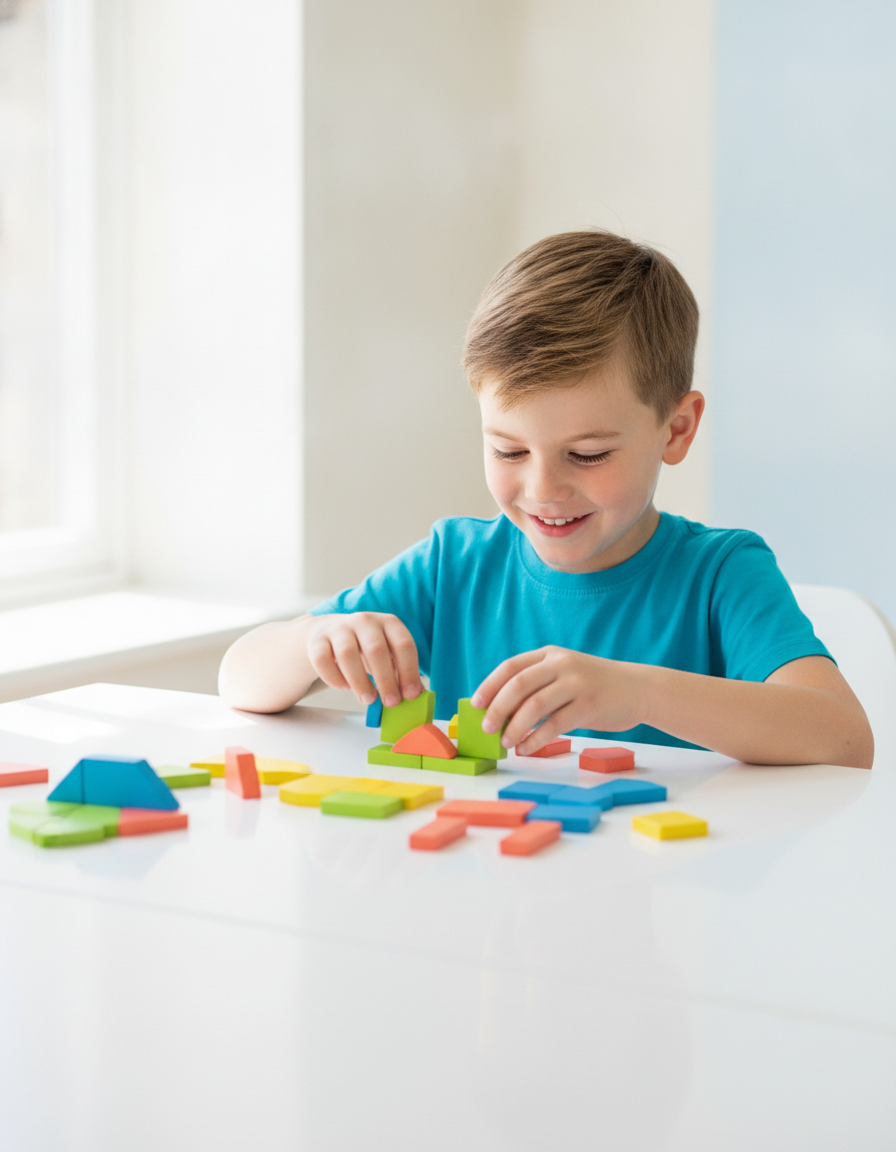
When a parent tells me their child is behind in both reading and math, I do not see two problems. I see one foundation that has not been built yet. I look at working memory, processing speed, and attention first, because those are the shared load-bearing walls. Build them, and I watch two subjects improve from one set of work. It is the opposite of the exhausting two-tutor treadmill most families are handed.
Key Takeaways
Reading and math difficulties overlap far more than chance because they share cognitive systems: working memory, processing speed, attention, and symbol processing.
Number sense is to math what phonological awareness is to reading. Both grow from the same attention-and-memory foundation.
Struggling in both subjects points to one shared skill to strengthen, not two separate problems to patch. Building the foundation lifts reading and math together.
Your child does not need two more tutors. Your child needs the one foundation that reading and math both stand on, and you are the one who gets to help build it.
“– Laura Lurns
What to Do Instead of Two Tutors
Start by treating the two struggles as one puzzle. Notice where they overlap. Does your child lose track partway through a sentence and partway through a math problem in the same way? That shared slip points at working memory or attention. Then build those foundation skills directly, with short, playful daily practice, rather than piling on more reading and math drills. You value your child’s whole mind, not a stack of subject grades, and you are right to. The system that split her into a reading case and a math case is the same system that never asked what the two had in common. You are the one who gets to ask it, and to answer it. Our Brain Bloom program is built exactly for this, strengthening the shared cognitive skills that reading and math both draw on. And these rarely travel as a pair alone. The same foundation touches focus, writing, and confidence. A plan that builds the root skills tends to lift far more than the two subjects you started with.
Common questions from parents
If my child struggles with both reading and math, does that mean the problem is worse?
Are dyslexia and dyscalculia related?
Should I get separate tutors for reading and math?
What foundation skills matter most for both?