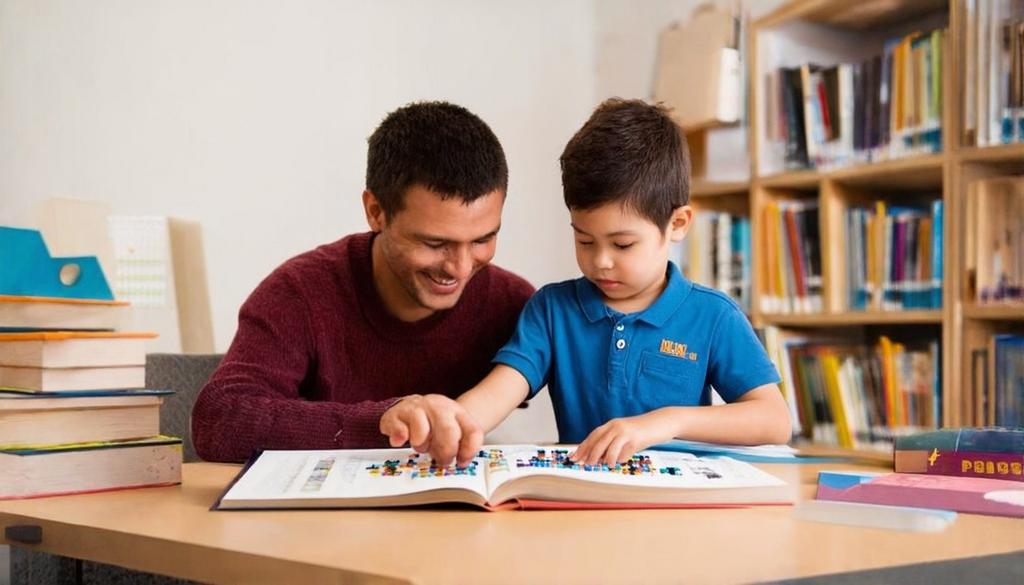

A boy who could narrate an entire movie scene by scene sat frozen over a six-word sentence. When his mother asked him to read it aloud, he pushed the book away and said the thing she had come to dread. ‘I hate reading.’
It sounds like an attitude problem. It almost never is. Those three words are usually the sound a child makes when a task has been hard and public for too long.
Your child is not lazy, and they have not given up on you. They are protecting the one thing they have left. That thing is how they feel about themselves.
TL;DR
- ‘I hate reading’ is rarely about attitude. It is almost always a child protecting themselves from a task that has become effortful and shaming.
- When decoding is not automatic, reading drains working memory, comprehension collapses, and avoidance becomes a form of self-defense.
- Build the underlying reading skill and the ‘hatred’ usually fades, because the child stops bracing for failure every time a book opens.
‘I hate reading’ is not an opinion about books. It is a child guarding the last thing they have left, which is how they see themselves.
“– Laura Lurns
What ‘I Hate Reading’ Is Actually Saying
Children rarely hate the things they feel strong at. When a child says they hate reading, listen for what sits underneath it. Reading that is slow and effortful turns every page into a public test. If decoding is not automatic, the brain spends its working memory sounding out each word, and there is nothing left over for meaning. The child reaches the end of a sentence and remembers none of it. That is often an early sign of developing reading skills that need a specific kind of support. It is not a character flaw. It is not a bad attitude.
Why It Looks Like Laziness, and Why It Isn’t
From the outside, avoidance looks like laziness. Inside, it is simple math. A child who has failed at reading in front of others learns a hard lesson. Trying and failing hurts more than refusing. So they refuse. Struggling to read says nothing about how smart a child is. The International Dyslexia Association’s 2025 definition dropped the old idea that reading trouble should track with IQ. A bright child who avoids reading is the expected picture, not a contradiction. And ‘I’m bad at reading’ is not a description of where your child is. It is a prediction they are making about where they are going. Identity research shows children act on that prediction. They pull back before they even try.
When a child tells me they hate reading, I hear relief that someone finally asked. Underneath the refusal there is almost always a specific skill that never became automatic. We find it, we build it in small daily doses, and the strangest thing happens. The child who hated reading starts choosing it, because it stopped costing them so much.
Key Takeaways
‘I hate reading’ is a symptom of effortful, shaming reading, not a verdict on your child’s character or intelligence.
When decoding is not automatic, working memory has nothing left for meaning, so the child reads a page and retains nothing.
Reading avoidance is self-protection. Build the underlying skill and the child stops bracing for failure every time a book opens.
The system reads ‘I hate reading’ as defiance. Your child means ‘this hurts, and I need a different way in.’
“– Laura Lurns
How to Answer Those Three Words
You want your child to open a book without flinching. A system that hears ‘I hate reading’ as defiance, and answers with pressure, pushes them further away. Some of these children were taught to guess words from pictures and context in the first place. Cognitive scientists have long described that method as how struggling readers read. You get to change the input. Our 5-Minute Reading Fix rebuilds decoding in short daily sessions, so reading stops draining the tank. Reading struggles rarely travel alone. Most children who avoid reading also show signs of stretched working memory or weak phonological processing. The All Access program finds which skill is behind and gives you a daily plan for building it.
Common questions from parents
Is ‘I hate reading’ a sign of dyslexia?
My child reads accurately but still says they hate it. Why?
Should I force my child to read anyway?
Will my child ever enjoy reading?