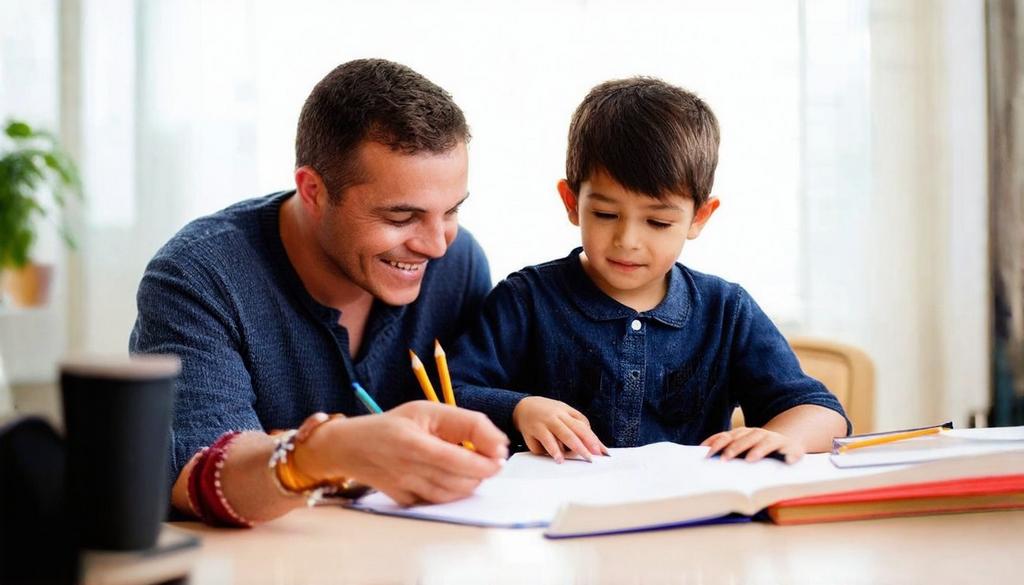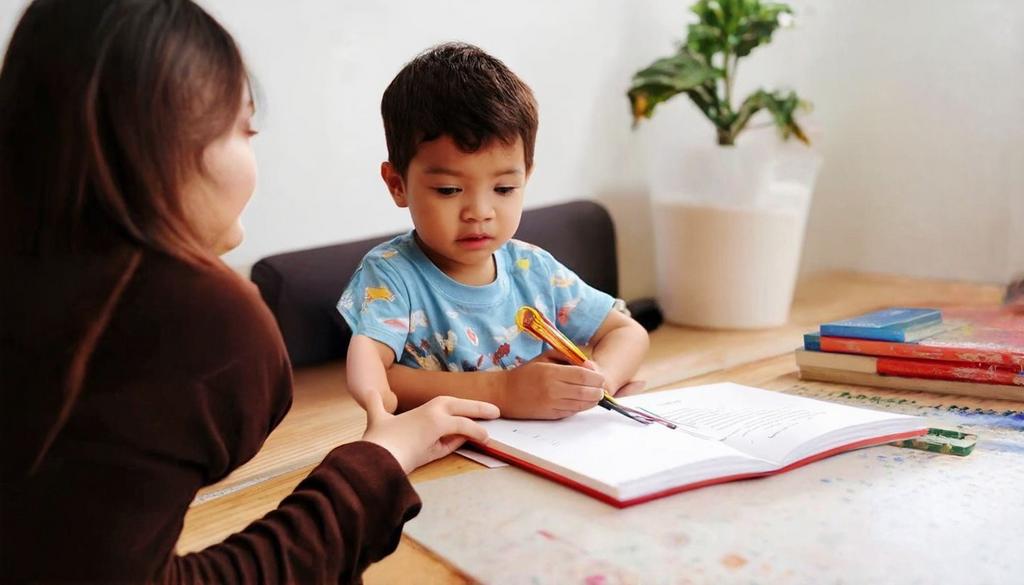
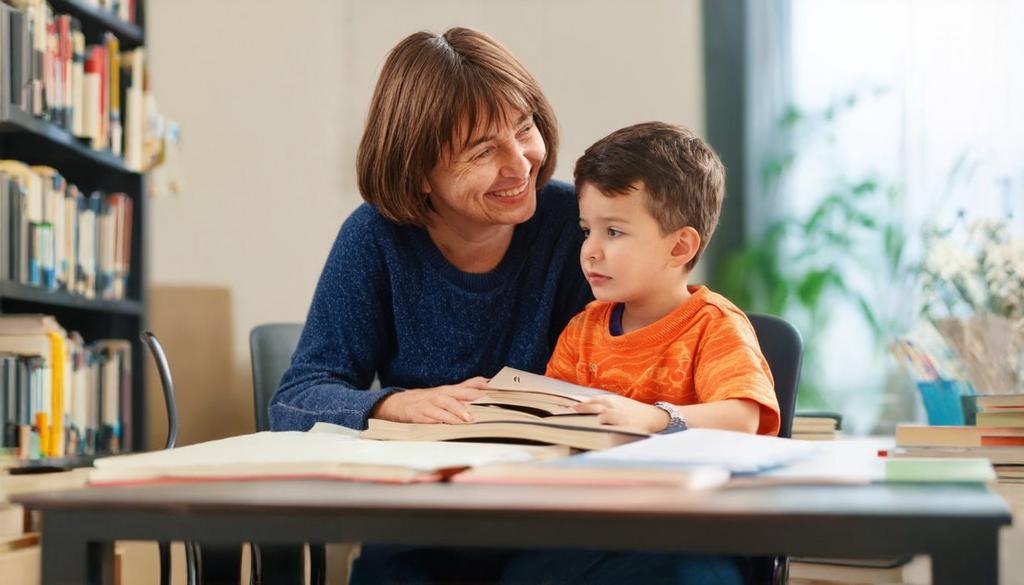
In 2008, a team of researchers went looking for proof that teaching to a child’s ‘learning style’ helped them learn. They found none. A review across eighteen countries in 2020 found that nearly nine in ten teachers still believe in it anyway.
So when your child thrives with you and freezes with a teacher, or the exact reverse, and someone explains it away as a style mismatch, hold on. You are watching something real, and it has nothing to do with styles.
The same brain sits behind both desks. What changes is who is next to it, and how safe that child feels while they try. That one factor moves how much thinking a child has available.
TL;DR
- A child who does better with you than a teacher, or the reverse, is responding to the relationship, not a learning style. Emotional safety changes how much of the brain is free to think.
- When a child feels judged or rushed, the stress response eats the working memory and focus they need to learn. When they feel safe, those resources come back online, and the same child looks completely different.
- This is not about who is the better teacher. It is about the conditions each setting creates, and you hold real power over the ones at home.
The same brain sits behind both desks. What changes is how safe the child feels while they use it.
“– Laura Lurns
Why the same child performs two different ways
A child’s ability to learn is not fixed from minute to minute. It rises and falls with their emotional state. When a child feels calm and connected, the thinking brain has full access to working memory, attention, and the processing skills that reading and math depend on. When that same child feels judged, rushed, or afraid of getting it wrong, the stress response pulls energy toward survival instead. Working memory shrinks. Focus scatters. A child who knew the material an hour ago goes blank. Nothing changed about their intelligence. The conditions in the room changed, and the brain followed.
It was never about learning styles
The explanation most parents get is comfort level or learning style. Learning styles were tested and did not hold up, in 2008 and again in 2024, yet classrooms keep teaching to them. The real lever is the relationship and the safety it creates. Parental approval and connection are among the most powerful motivators in a child’s life, a pattern rooted in attachment neuroscience. Secure parent-child relationships predict higher engagement and persistence. That is why a warm, unhurried session at home unlocks a child that a rushed classroom shuts down. It is also why a patient teacher sometimes reaches a child who battles a parent at the kitchen table. The relationship is doing the heavy lifting, not the style.
When a parent tells me their child is a different learner at home than at school, I never reach for learning styles. I ask what each room actually feels like to that child. Safety, or pressure. Connection, or judgment. Fix the emotional conditions, and you often unlock a child who was there the whole time, waiting to feel safe enough to show it.
Key Takeaways
A child’s thinking capacity rises and falls with emotional safety. Feeling judged or rushed shrinks working memory; feeling safe brings it back.
Learning styles were debunked in 2008 and again in 2024. The real driver behind the you-versus-teacher gap is the relationship, not a style.
You hold real power over the conditions at home. A calm, connected, unhurried session unlocks thinking that pressure shuts down.
You are not competing with the teacher. You are building the one thing no worksheet ever will: a child who feels safe enough to think.
“– Laura Lurns
What to do with this
You do not want a child who performs for approval and crumbles under pressure. You want one who thinks freely because they feel safe. The tidy explanations, comfort levels and learning styles, sent families chasing the wrong fix for years. You are the one who sees which room your child relaxes in. Protect that. Keep home sessions short, calm, and free of the fear of getting it wrong, the way the Growth Mindset Course is built to teach. And emotional safety rarely works alone. A child who freezes under pressure often has an underlying skill gap feeding the fear, in reading, memory, or focus, and the two reinforce each other. The All Access program helps you find and build the missing skill while you protect the relationship that lets your child use it.
Common questions from parents
Does this mean I am a better teacher than the school?
My child does worse with me than at school. What does that mean?
Is my child manipulating me by doing worse at home?
Could there still be a real learning difference underneath?