
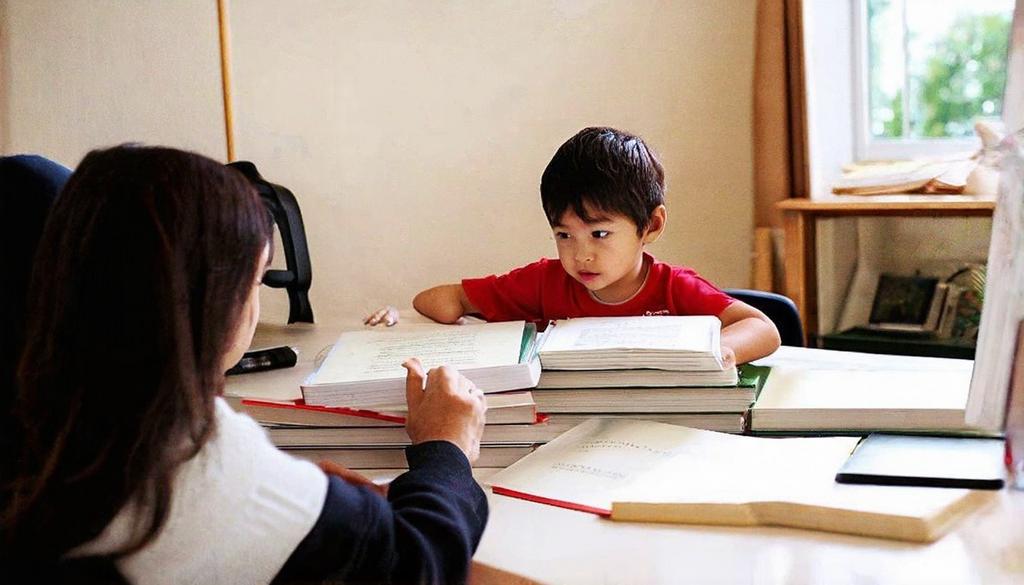
The worksheet has been on the table for twenty minutes. Nothing on it. Your child is not fighting you and not crying, only gone somewhere behind the eyes, arms folded, and done before the first question.
That shutdown is one of the most misread moments in parenting. It looks like laziness or defiance. It is neither. What you are seeing is a child protecting themselves from a task that has hurt before.
Here is the shift that changes everything. Your child is not broken, and their brain is not failing. It is doing exactly what a brain is built to do, steering away from what it has learned to read as danger. That reflex loosens when the danger signal comes down.
TL;DR
- A shutdown is a self-protective response, not laziness or defiance. The nervous system is shielding a child from a task that has meant failure before.
- Try harder falls flat because it adds pressure to a brain already in threat mode. Safety has to come before effort, not after it.
- Shrink the task, restore calm, and rebuild small wins. A child who feels safe and capable stops needing to protect themselves from trying.
A shutdown is not defiance. It is a child protecting themselves from a task that has hurt before.
“– Laura Lurns
What a shutdown actually is
The shutdown is a nervous-system response, not a choice. When a task has meant repeated failure, the brain files it alongside real threats. The next time it appears, the threat-detection system, centered on the amygdala, fires before the thinking part of the brain gets a say. Effort shuts off. Focus scatters. The child goes quiet or flat. This is protection, not refusal. Layered on top is a self-image the child is guarding. Trying hard and failing anyway hurts more than not trying, so the brain chooses the smaller pain. Underneath many shutdowns is an unmet processing skill that makes the work far harder than it looks. That is why the same task keeps triggering the same retreat.
Why try harder makes it worse
The standard advice, try harder or do not give up, aims at the wrong target. It treats a safety problem as a motivation problem. When a child is in threat mode, adding pressure raises the alarm and deepens the shutdown. The research on self-talk shows why. Critical, high-pressure language lights up the brain’s threat centers, while calm, effort-focused language activates the regions built for learning. So the move is counterintuitive. You lower the stakes first. You make the task small and the outcome safe, and only then does the thinking brain come back online and effort become possible. Pushing a shutdown child harder is like turning up an alarm and expecting the room to relax.
When I see a child shut down, I stop trying to get through and start trying to bring the temperature down. A shutdown brain does not learn, so nothing productive happens until it feels safe. I make the next step tiny, keep my voice even, and let one small success land. Safety first, skill second. In that order, the same child who looked done finds a way back to the work.
Key Takeaways
Read a shutdown as protection, not defiance. The brain has flagged the task as a threat and is shielding your child from another loss.
Drop the try harder. Pressure feeds the threat response. Lower the stakes first, and the thinking brain comes back online.
Rebuild with safety and tiny wins. A child who feels capable and secure no longer needs to protect themselves from trying.
Your child is not broken, and they are not lazy. They are protecting something precious. Show them it is safe, and the effort comes back on its own.
“– Laura Lurns
What to do when your child shuts down
In the moment, stop the task, not the connection. Say you see it is hard and you are on their side, then step back from the worksheet for a beat. Once the body settles, shrink the work to one small, winnable piece and let them succeed at it. Name what happened without fanfare: that was hard, and you stayed with it. Over days, this teaches the brain that the task is survivable and effort is safe. The Growth Mindset Course gives you the exact words for these moments. Here is the system failure worth naming: schools and well-meaning advice keep prescribing more pressure to a child who needs more safety. You get to break that loop. A shutdown that keeps returning around the same subject often points to an unseen processing gap in focus, memory, or auditory processing. The Learning Success All Access Program starts with a free assessment that finds the gap and hands you a daily plan. Start the free 7 day trial and trade pressure for progress. If the distress runs deep or lasts, a conversation with your pediatrician or a counselor is a wise next step alongside the learning work.
Common questions from parents
How is a shutdown different from a tantrum?
If I stop the task when my child shuts down, am I teaching them to quit?
My child shuts down at school but not at home. Why?
When should I worry that it is more than a learning issue?

