

You pulled her out of a school that was failing her, and you expected the reading gap to stay behind in that building. Instead it came home with you, and now it sits at your kitchen table every morning. The advice you keep hearing, wait and see, or it is dyslexia so lower your expectations, only makes the weight heavier.
Here is the part nobody mentions in the homeschool forums. Moving her home removed the wrong environment. It did not, on its own, build the reading skill that stalled, because a change of address is not the same as a change in how her brain maps sound to print.
You are not behind for realizing this. You are early. And the fact that the job landed on you is not the tragedy it feels like at 7am with a frustrated kid and a book she will not open.
TL;DR
- The reading gap is fixable, and homeschooling gave you the access to fix it, but the move itself is not the fix. Closing the gap means finding the specific processing skill that stalled and building it with short daily practice, not waiting for reading to click on its own.
- Reading was never one skill. It draws on language, phonological processing, working memory, attention, and processing speed together, which is why a child who got plenty of phonics still stalls when one of the other systems is the actual bottleneck.
- Being her teacher is an advantage the research now backs. The International Dyslexia Association’s 2025 definition names the home learning environment among the influences that shape reading outcomes, so your daily involvement counts as a driver of progress, not a consolation prize.
Moving her home removed the environment that was failing her. It did not build the skill that stalled. Those are two separate jobs, and only one of them is finished.
“– Laura Lurns
Why the gap followed her home
A reading gap is not glued to a building. It travels with the child because it lives in how her brain processes language, not in the classroom she left. When she reaches the page and the words will not come together, the trouble is usually upstream of the page. It sits in phonological processing, the brain’s work of hearing and pulling apart the individual sounds in words, or in the bridge between those sounds and the letters, what reading scientists call orthographic mapping. Phonics lessons feed that bridge, but if the underlying sound processing is shaky, or working memory drops the thread halfway through a word, the lessons land and then leak. That is the leak you watch at the kitchen table. Cognitive processing skills like these are trainable, which is the whole reason this gap is a project with an end, not a fixed fact about your daughter.
The phonics-only trap, and what the 2025 science actually says
The most common dead end is the belief that more phonics, on its own, closes every reading gap. Phonics is necessary. It was never sufficient. A child sounds out words and still does not read with meaning because reading runs on several systems at once, and phonics feeds only one of them. This is not a fringe opinion anymore. In 2025 the International Dyslexia Association updated its definition of dyslexia for the first time in over twenty years and stated that the causes are complex, involving genetic, neurobiological, and environmental influences together, not phonological processing alone. The same update dropped the old rule that a child had to be failing relative to her IQ to qualify, which means a bright child who struggles is the expected picture, not a contradiction. And it said early support works best, the opposite of wait and see. The science moved. The forums and many schools have not caught up. You, by moving early and paying attention, already have.
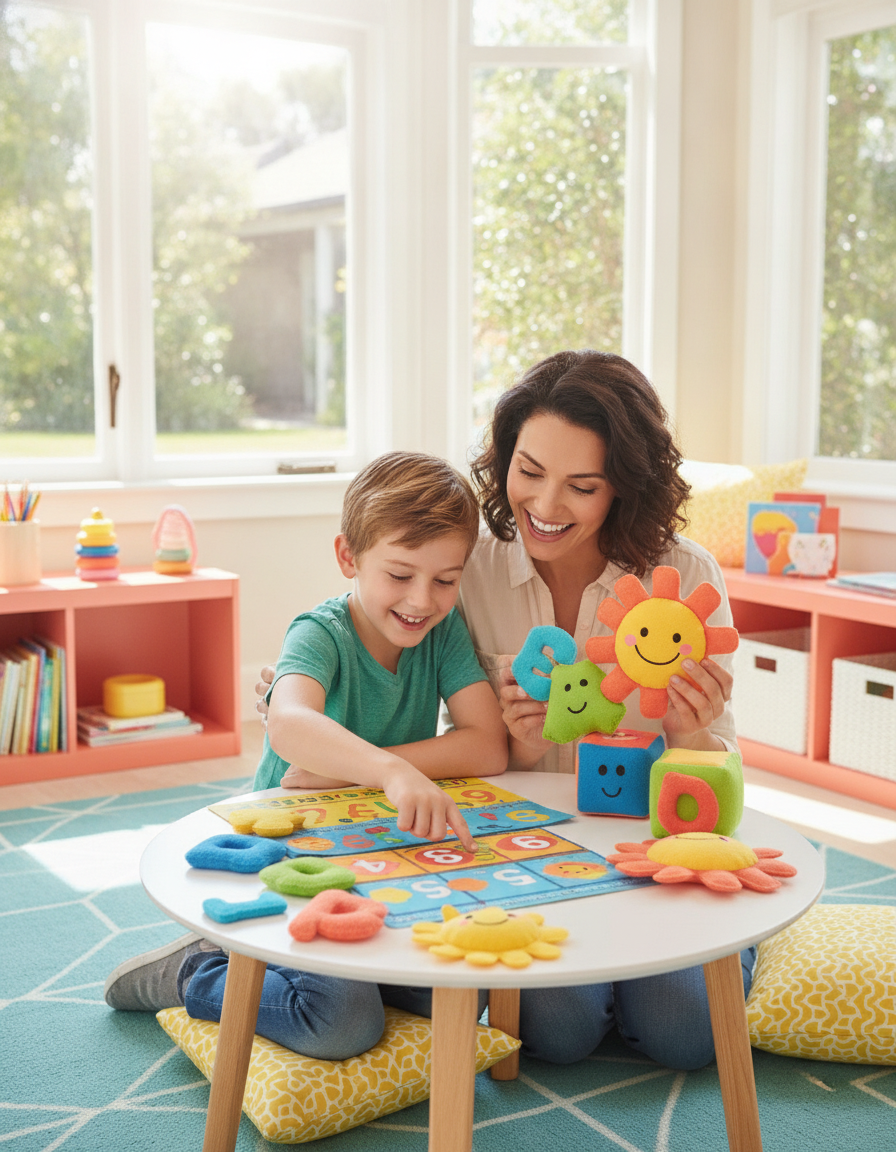
When a homeschooling parent tells me the reading gap came home with them, I do not hear failure. I hear a parent who got her child out of the wrong setting and now has the access to do the real work. What I look for is the specific system that stalled, the sound processing, the memory, the attention, and then I build it with a few focused minutes a day. The gap did not move because the room changed. It moves when the skill underneath it gets built, and a present parent is the best person alive to build it.
Key Takeaways
A reading gap lives in how the brain processes language, not in the school building. Changing the setting removes a bad environment but does not, on its own, build the missing skill.
Phonics is necessary and never sufficient. If a child gets plenty of phonics and still stalls, the bottleneck is usually a different system, sound processing, working memory, attention, or processing speed.
The 2025 IDA definition names the home learning environment as an influence on reading outcomes. That makes your daily involvement a driver of progress, which is exactly the position a homeschooling parent is built for.
You don’t need a credential to be the most important teacher your daughter will ever have. You already are one. The only question left is whether you have the right tools.
“– Laura Lurns
Where to start this week
Begin by watching one reading session like a detective, not a coach. Notice the exact moment it falls apart, the unfamiliar word, the second line, the point where she starts guessing from the picture instead of reading the letters. That moment names the skill to build. Then trade some of the open-a-harder-book pressure for short, targeted practice on that underlying skill, a few focused minutes a day rather than a long daily battle. The 5-Minute Reading Fix is built for exactly this, quick daily reading practice that targets the bottleneck instead of piling on more of what already leaks. You value her becoming a reader, not her surviving a worksheet. The system that shrugged and said wait and see was optimizing for its own timeline, and you refused it once by bringing her home. Most children who carry a reading gap also show fatigue in a second area, attention alongside reading, or memory alongside spelling, which is why a full look beats chasing one symptom. A free 7-day trial of All Access opens with an assessment that shows which systems to build first, so your days have a map instead of a guess.
Common questions from parents
Does homeschooling make a reading gap worse?
She had phonics at school and still struggles. Did the school do it wrong?
Do I need to get her tested for dyslexia first?
I’m not a reading specialist. Am I the right person to do this?