
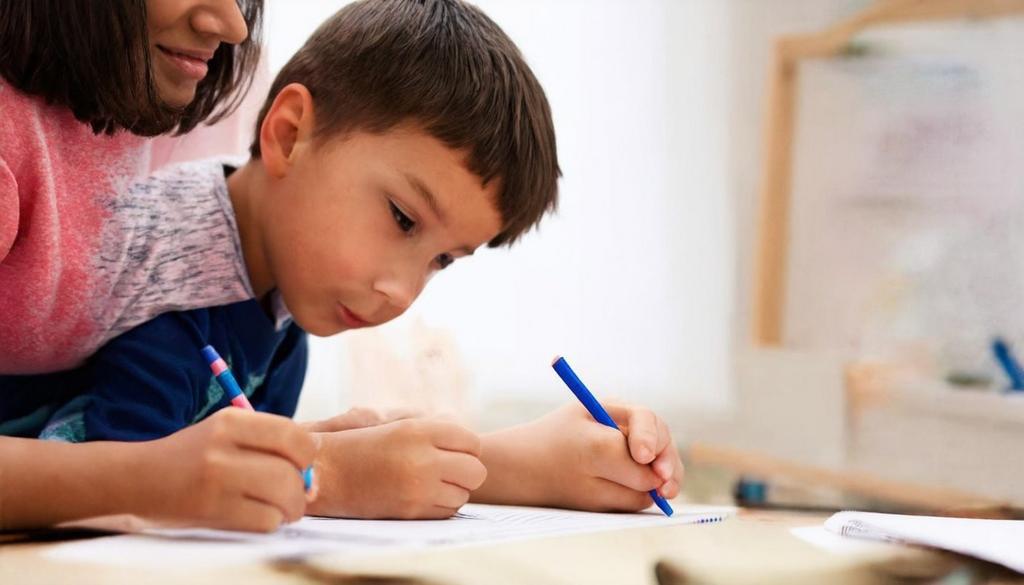
Fine Motor Skills and Writing: When Handwriting Problems Signal Something Deeper
I’ll never forget the day my child’s teacher sent home a negative report, stating that they were struggling with handwriting and couldn’t write independently. As a parent, it’s heartbreaking to see your child struggle, and the feeling of helplessness can be overwhelming. You’re not alone in this struggle – many parents have been in your shoes, and the common advice given is often to wait it out or try accommodations like using a keyboard. But what if this approach is not only unhelpful but also misguided?
The truth is, handwriting difficulties are often a sign of a deeper issue, one that requires a comprehensive approach that addresses the underlying cognitive and motor skills. The conventional wisdom that handwriting problems are solely a matter of fine motor skills or a learning disability like dysgraphia is outdated and oversimplified. As a parent, you deserve to know the truth – that your child’s brain is capable of change and growth, and that with the right strategies and support, they can overcome their handwriting difficulties and thrive.
TL;DR
- Handwriting difficulties can be a sign of a deeper issue, requiring a comprehensive approach that addresses fine motor skills, cognitive development, and learning readiness.
- Multisensory learning techniques can be highly effective in improving handwriting skills, and parents can use activities such as playdough, sand, and visual-spatial memory exercises to help their children develop these skills.
- Providing emotional support and building confidence is crucial, and parents can do this by praising their child’s efforts, celebrating small successes, and creating a positive learning environment.
Every child’s brain is capable of change and growth, and with the right strategies and support, they can overcome their handwriting difficulties and thrive.
“ – Laura Lurns
Helping Children Overcome Handwriting Difficulties
Handwriting difficulties can be a significant challenge for many children, affecting not only their academic performance but also their self-esteem and confidence. However, with the right approach and support, children can overcome these difficulties and develop the skills they need to succeed.
At the heart of addressing handwriting difficulties is understanding the root causes of the struggle. This may involve assessing a child’s fine motor skills, visual-spatial awareness, and other cognitive functions. By identifying the underlying issues, parents and educators can develop targeted strategies to help children build the necessary skills.
One effective approach is to use multisensory learning techniques. These techniques engage multiple senses, such as sight, sound, and touch, to help children learn and retain new skills. For example, parents can use tactile activities, such as playdough or sand, to help their children develop their sense of touch and fine motor skills. Visual-spatial memory exercises can also be beneficial in improving handwriting skills.
In addition to multisensory learning techniques, it’s essential to provide emotional support and build confidence in children as they work to overcome their handwriting difficulties. Parents can do this by praising their efforts, celebrating small successes, and creating a positive learning environment. By focusing on progress, not perfection, parents can help their children develop a growth mindset and build resilience.
As an education expert, I’ve seen firsthand the impact that handwriting difficulties can have on a child’s self-esteem and confidence. But with the right approach and support, children can overcome these difficulties and develop the skills they need to succeed. It’s essential for parents to understand the underlying causes of their child’s struggles and to use a comprehensive approach that addresses fine motor skills, cognitive development, and learning readiness.
Key Takeaways
Handwriting difficulties often have underlying causes that need to be addressed, such as fine motor skills, visual-spatial awareness, and cognitive development.
Multisensory learning techniques can help children develop the skills they need to overcome handwriting difficulties, and parents can use a variety of activities to support this process.
Providing emotional support and building confidence is essential for helping children overcome handwriting difficulties, and parents can do this by creating a positive learning environment and celebrating small successes.
By understanding the root causes of their child’s handwriting difficulties and using a comprehensive approach, parents can empower their child to succeed and develop a lifelong love of learning.
“ – Laura Lurns


